
Does Paint Increase Home Value? Yes - Usually
- Matthew Jackson

- Jul 5
- 6 min read
A tired exterior, scuffed trim, or walls covered in outdated color can quietly drag down what buyers think a home is worth before they ever mention price. So, does paint increase home value? In many cases, yes - but not simply because fresh paint exists. Value comes from choosing the right surfaces, the right colors, and the right level of prep so the finish looks clean, current, and well maintained.
Paint is one of the few home improvements that can change first impressions fast without the cost or disruption of a full remodel. That makes it attractive to homeowners preparing to sell, landlords refreshing a rental, and property managers trying to improve presentation. But there is a difference between painting for coverage and painting for return.
Does paint increase home value on every project?
Not automatically. Fresh paint helps most when it solves a visible problem. If walls are marked up, colors are highly personal, trim is chipped, or the exterior looks weathered, a professional repaint can absolutely improve perceived value. It signals care, maintenance, and move-in readiness.
If the home was painted recently, the existing colors are broadly appealing, and the surfaces still look sharp, repainting may offer only a modest return. In that case, value might come more from touch-ups, drywall patching, trim correction, or selective repainting rather than a full-house project.
This is the real answer homeowners need: paint adds value when it removes buyer objections. Buyers notice faded siding, peeling trim, patched walls, and uneven cut-ins because those details suggest more work ahead. A clean, consistent finish reduces friction.
Why buyers respond to fresh paint
Most buyers are not calculating paint value with a spreadsheet the second they walk through a home. They are reacting to condition. Fresh paint works because it shapes that reaction quickly.
Inside the home, new paint can make rooms feel brighter, cleaner, and more current. It also helps buyers focus on the space itself instead of the previous owner's style choices. Deep reds, saturated greens, bright purples, and heavy feature walls may work for a specific homeowner, but they often make resale harder because buyers start mentally pricing the repaint.
Outside the home, paint affects curb appeal and trust. A crisp front door, well-finished trim, and a properly coated exterior can make the property feel cared for from the start. That matters in Rhode Island, where weather puts real stress on exterior surfaces. A finish that looks durable and properly prepared suggests the home has been maintained, not neglected.
Interior painting usually delivers the clearest return
If you are deciding where to spend money before listing, interior painting is often the strongest first move. It is visible in every showing, it photographs well, and it can correct years of wear with relatively little disruption.
The highest-impact areas are usually living rooms, kitchens, hallways, entryways, and primary bedrooms. These are the spaces where buyers spend the most attention, and they are also the spaces where wear is easiest to spot. Scuffs at light switches, nail holes, uneven patching, and dingy baseboards all chip away at the impression of quality.
Ceilings, trim, and doors matter more than many homeowners expect. Fresh wall color helps, but if the trim is yellowed or the doors are scratched, the finish still reads as incomplete. Precision matters here. Sharp lines and smooth surfaces create the polished look buyers associate with a well-kept home.
The best colors for resale are usually the least risky
Neutral does not mean flat or lifeless. It means broad appeal. Soft whites, warm off-whites, light greiges, and balanced light grays tend to perform well because they make rooms feel larger and cleaner without pulling too hard in one design direction.
That said, every house has its own lighting conditions, flooring tones, and trim color. A gray that looks clean in one home can look cold in another. A white that seems fresh in bright natural light can feel harsh in a north-facing room. Good color selection is less about trends and more about fit.
If resale is the goal, consistency usually beats experimentation. A cohesive palette from room to room helps the house feel more finished and easier to move through.
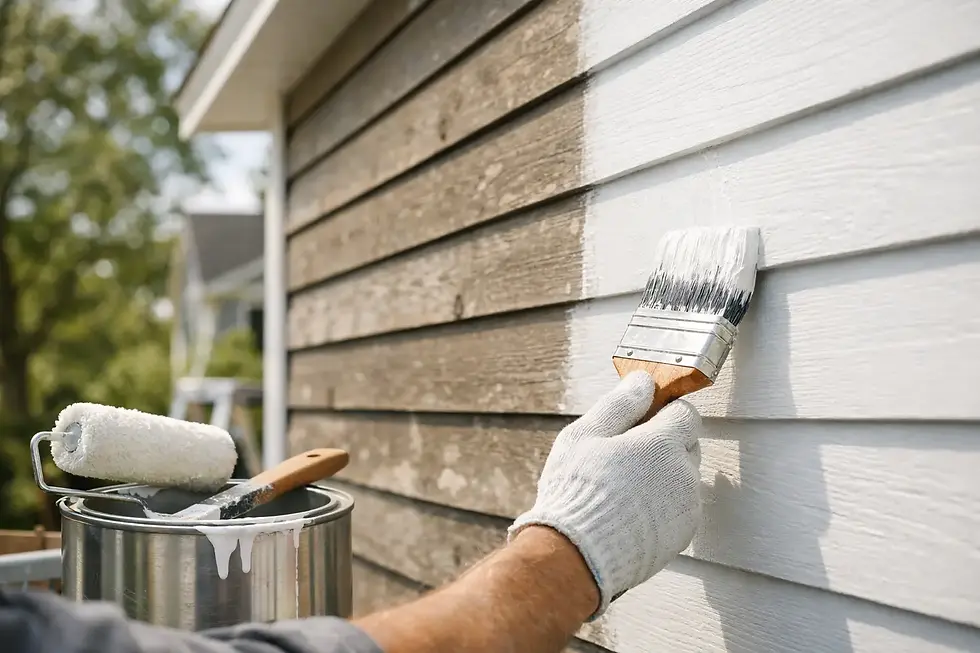
Exterior painting can add value and protect it
Exterior painting sits at the intersection of appearance and maintenance. That makes it especially important when the outside of the home is visibly worn.
A fresh exterior does more than improve curb appeal. It helps protect siding, trim, and wood elements from moisture and seasonal wear. For buyers, that can reduce concern about immediate maintenance costs. For owners staying put, it protects the condition of the property over time.
Does paint increase home value outside as much as inside?
Sometimes yes, especially if the exterior is faded, peeling, chalky, or visibly overdue. Exterior work often has strong visual impact because it shapes the first impression before a showing begins. But it is usually more expensive than interior painting, so the return depends on timing, material condition, and how badly the home needs it.
If the siding is structurally sound and just looks tired, paint can be a smart investment. If there is rot, failing caulk, or deeper substrate damage, those problems need to be addressed first. Paint cannot create value if it is covering issues that will soon reappear.
This is where craftsmanship matters. Prep is not an extra. Scraping, sanding, patching, caulking, priming, and choosing coatings suited to local weather conditions are what turn exterior paint from a cosmetic layer into a lasting finish.
Quality affects return more than many people realize
A rushed paint job can hurt the very value it is supposed to support. Buyers notice roller marks, lap lines, drips, missed edges, and paint where it should not be. Sloppy work does not read as fresh. It reads as cheap.
That is why surface preparation carries so much weight. Proper drywall patching, sanding, stain blocking where needed, and clean cut-ins all contribute to a result that looks intentional and durable. A room with fresh paint but visible patch halos or uneven sheen still feels unfinished.
For sellers, this matters because buyers are not just responding to color. They are evaluating workmanship. Clean lines around trim, uniform coverage, and consistent finish quality communicate care. In a competitive market, those details can influence how quickly a home feels worth the asking price.
Where paint offers the weakest return
Not every painting project is the right move before a sale. Very customized finishes, bold accent walls added late in the process, and painting areas that are already in strong condition may not move value much. The same goes for over-improving compared to the neighborhood.
If a kitchen or bath is badly outdated, paint can help presentation, but it will not erase every underlying issue. If carpeting is heavily worn or floors are damaged, buyers may still focus there first. Paint is powerful, but it works best as part of an overall condition strategy.
Commercial property owners and landlords face a similar equation. Fresh paint improves presentation and can support lease appeal, but if lighting, flooring, or visible maintenance issues are lagging, paint alone may not carry the full result.
How to decide if painting is worth it before listing
Start with visibility. What does a buyer see first, and what surfaces look tired under normal daylight? Then look at condition. Are there scuffs, chips, stains, fading, or dated colors that make the property feel older than it is? Finally, consider timing. If you need a practical update with relatively fast visual payoff, paint is often one of the most efficient options.
Selective work is often enough. A full repaint is not always necessary if the highest-traffic rooms, trim package, front door, or exterior accents are doing most of the damage. A good estimate should help identify where a targeted approach makes sense and where a broader repaint will produce a better result.
For Rhode Island homeowners, exterior timing also matters. Weather exposure, moisture, and seasonal temperature swings all affect how long finishes last. A properly planned exterior project can improve appearance now while helping surfaces hold up longer.
PrimeLayer Painting sees this firsthand in homes where the difference is not just color, but discipline - proper prep, clean execution, and a finish that looks right up close as well as from the curb.
The short answer is that paint can increase home value, but the real benefit is often larger than a simple dollar figure. It helps a home show better, feel better maintained, and create fewer doubts in the buyer's mind. When the work is well chosen and professionally executed, that can be enough to strengthen offers, shorten time on market, and make the entire sale feel more solid. If you are weighing the cost, start by asking a practical question: what would a buyer notice first, and what would make them hesitate?


Comments