
Residential Painting Done Right
- Matthew Jackson

- Jul 1
- 6 min read
Fresh paint changes a room fast, but good residential painting is not just about color. It is about how the walls are repaired before the first coat, how the edges are cut, how the surfaces are protected, and how the finish holds up after furniture goes back in place and daily life resumes. Homeowners usually see the final color first. What they remember longer is whether the work felt orderly, clean, and worth the investment.
That difference comes down to process. A well-painted home should look sharp on day one and still look right months later, without peeling corners, flashing patches, rough trim, or roller marks that show up when sunlight hits the wall. Whether the project is one bedroom or a full exterior, the standard should be the same - careful prep, disciplined execution, and a result that lasts.
What residential painting should actually include
A reliable painting project starts before a brush touches the surface. In many homes, walls and trim carry more wear than people notice at first glance. Nail pops, minor dents, hairline cracks, old caulk failure, scuffed baseboards, and uneven patchwork all show through fresh paint if they are not corrected properly.
That is why surface preparation matters as much as product selection. Drywall patching, sanding, caulking, spot priming, and protecting floors and furnishings are not add-ons to quality work. They are the foundation of it. When prep is rushed, the finish may look acceptable from a distance, but close inspection usually tells a different story.
Inside the home, residential painting often includes walls, ceilings, trim, doors, and accent features. Each surface behaves differently and calls for a specific approach. Flat ceiling paint will not perform like trim enamel. Doors need a smoother, more controlled finish than open wall areas. Accent walls require especially clean transitions, because any waviness in the line stands out immediately.
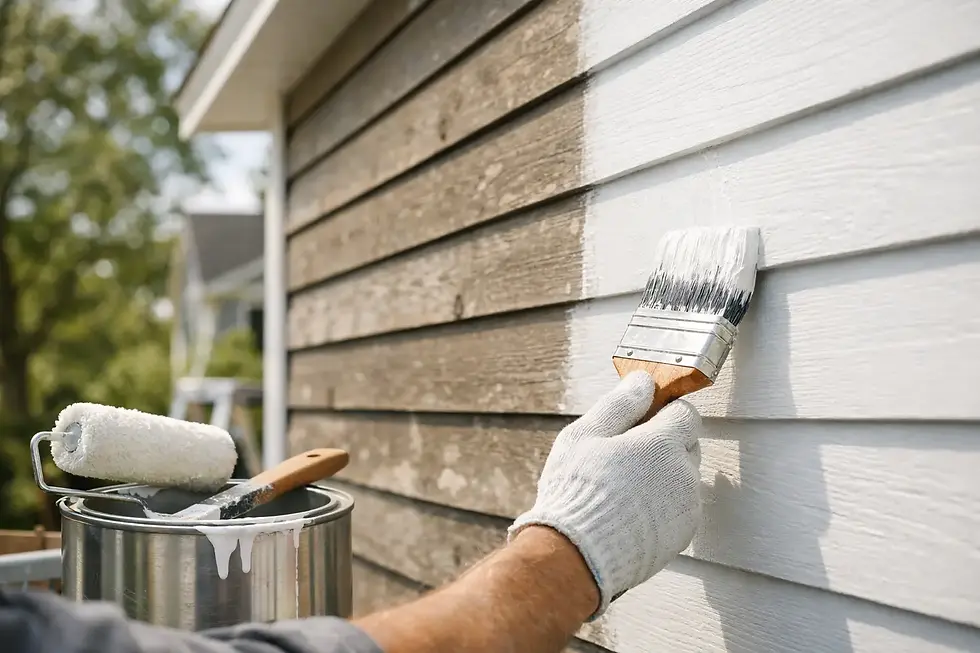
Exterior work adds another layer of complexity. Rhode Island weather puts constant pressure on siding, trim, and entry points. Moisture, sun exposure, salt air in some areas, and freeze-thaw cycles all affect paint performance. Exterior painting that skips proper washing, scraping, sanding, or priming may look fine for a short period, but the lifespan of the finish is usually compromised.
Why prep work matters in residential painting
Most paint failures are prep failures first. Peeling, bubbling, uneven sheen, and visible patching are usually not caused by the final coat alone. They come from surfaces that were dirty, glossy, damaged, damp, or unstable before painting began.
In practical terms, this means a professional crew should spend serious time getting surfaces ready. Interior walls may need patching and sanding to remove texture differences. Trim may need caulk at open joints and cleaning to remove built-up dust or hand oils. Exterior wood often needs scraping and sealing where previous paint has broken down.
There is also a timing factor that homeowners often appreciate once they see the difference. Prep is where a project earns its finish quality. Quick jobs can appear efficient, but speed without discipline usually leads to touch-ups, callbacks, and frustration. A properly prepared surface gives the paint the best chance to bond, level out, and hold its appearance over time.
Interior residential painting and the details people notice most
Interior painting changes how a home feels, but the details determine whether it feels upgraded or simply repainted. Straight cut-ins at ceilings, crisp lines where wall colors meet trim, smooth coverage on doors, and even sheen across repaired areas all make a visible difference.
Living rooms, kitchens, hallways, and bedrooms each present different conditions. High-traffic spaces need finishes that can handle repeated cleaning. Bedrooms may place more emphasis on softness and consistency in color. Kitchens and baths often need coatings that stand up better to humidity and routine wiping. The right finish is not always the most expensive one. It is the one that suits the room, the surface, and the way the space is used.
Trim and door painting deserve special attention. These areas take more abuse than walls and tend to show poor workmanship quickly. Brush drag, drips, heavy buildup around hinges, and inconsistent sheen can make the whole room feel unfinished. Clean prep and controlled application are what give trim and doors that refined, durable look homeowners expect.
Accent walls are another area where precision matters. They can add contrast and structure to a room, but only when the edges are exact and the color is applied evenly. A bold accent wall with soft lines or visible lap marks tends to draw attention for the wrong reasons.
Exterior residential painting and long-term protection
Exterior painting is part appearance and part protection. A clean, updated exterior improves curb appeal, but the coating system also helps defend the home against moisture intrusion, sun exposure, and seasonal wear. That makes product choice and surface prep especially important.
Not every exterior surface needs the same treatment. Wood trim, clapboard, siding, shutters, and doors age differently and often require different primers or finishes. Areas with previous paint failure need more than a quick coat over the top. If loose material is left in place, the new paint is only as stable as the layer beneath it.
Weather timing matters too. Temperature, humidity, and surface dryness all affect how paint cures. In coastal and seasonal climates like Rhode Island, that planning matters. A dependable contractor pays attention not just to the painting itself, but to when and how the work is done so the finish has the best chance to last.
How to judge quality before the job starts
Homeowners do not need to be painting experts to spot the signs of a professional operation. The first clue is usually in the estimate and communication. A quality-focused contractor should be clear about scope, prep, surfaces included, and what kind of finish the client can expect. Vague promises often lead to vague results.
It also helps to ask practical questions. Will damaged areas be patched and sanded? Are trim gaps being caulked where needed? How are floors, furniture, and adjacent surfaces being protected? What is the cleanup process at the end of each day? These questions say more about the likely experience than a simple promise of fresh paint.
Cleanliness and scheduling are part of craftsmanship too. Residential work happens in occupied homes, not empty job sites. Respect for the space matters. That means organized setups, controlled dust, tidy work areas, and reliable timing. A polished result should not come at the cost of unnecessary disruption.
PrimeLayer Painting approaches residential work with that standard in mind - precision prep, sharp lines, dependable scheduling, and cleanup that leaves the space ready to enjoy.
When cheaper residential painting costs more
Price always matters, but residential painting is one of those services where the lowest bid can become the most expensive option. If prep is skipped, inferior products are used, or coverage is rushed, the finish often deteriorates sooner. Then the homeowner is paying again to correct work that should have been done properly the first time.
That does not mean the highest estimate is automatically the best one. It means value should be judged by scope, preparation, materials, workmanship, and professionalism. A fair estimate reflects the labor needed to protect the home, prepare the surfaces correctly, and deliver a finish that holds up.
There are also situations where a partial project makes more sense than a full repaint. If only high-wear trim needs attention, or one exterior elevation has failed faster than the others, a focused scope may be the right decision. The best recommendation is not always the biggest one. It is the one that fits the condition of the home and the homeowner's goals.
Choosing a finish that still looks good later
Paint selection is not just about today’s color choice. It is about how that finish will wear in six months, one year, and beyond. Lower-sheen wall finishes can soften surface imperfections, but they may be less washable in busy areas. Higher-sheen products clean more easily, though they can reveal flaws if the surface underneath is uneven. That trade-off is worth discussing before work begins.
The same is true outside. Durability depends on the condition of the substrate, the weather exposure, and the full coating system used. Strong results come from matching the product to the surface and applying it over proper prep, not from relying on marketing claims alone.
A well-executed painting project should feel quiet in the best way. No mess left behind. No missed details that keep catching your eye. No early failure that turns a fresh update into a repair job. Just clean lines, durable coverage, and a home that looks cared for because it was cared for during every step of the work.
If you are planning residential painting, look past the color deck for a moment and pay attention to the process behind the finish. That is where lasting results begin.


Comments